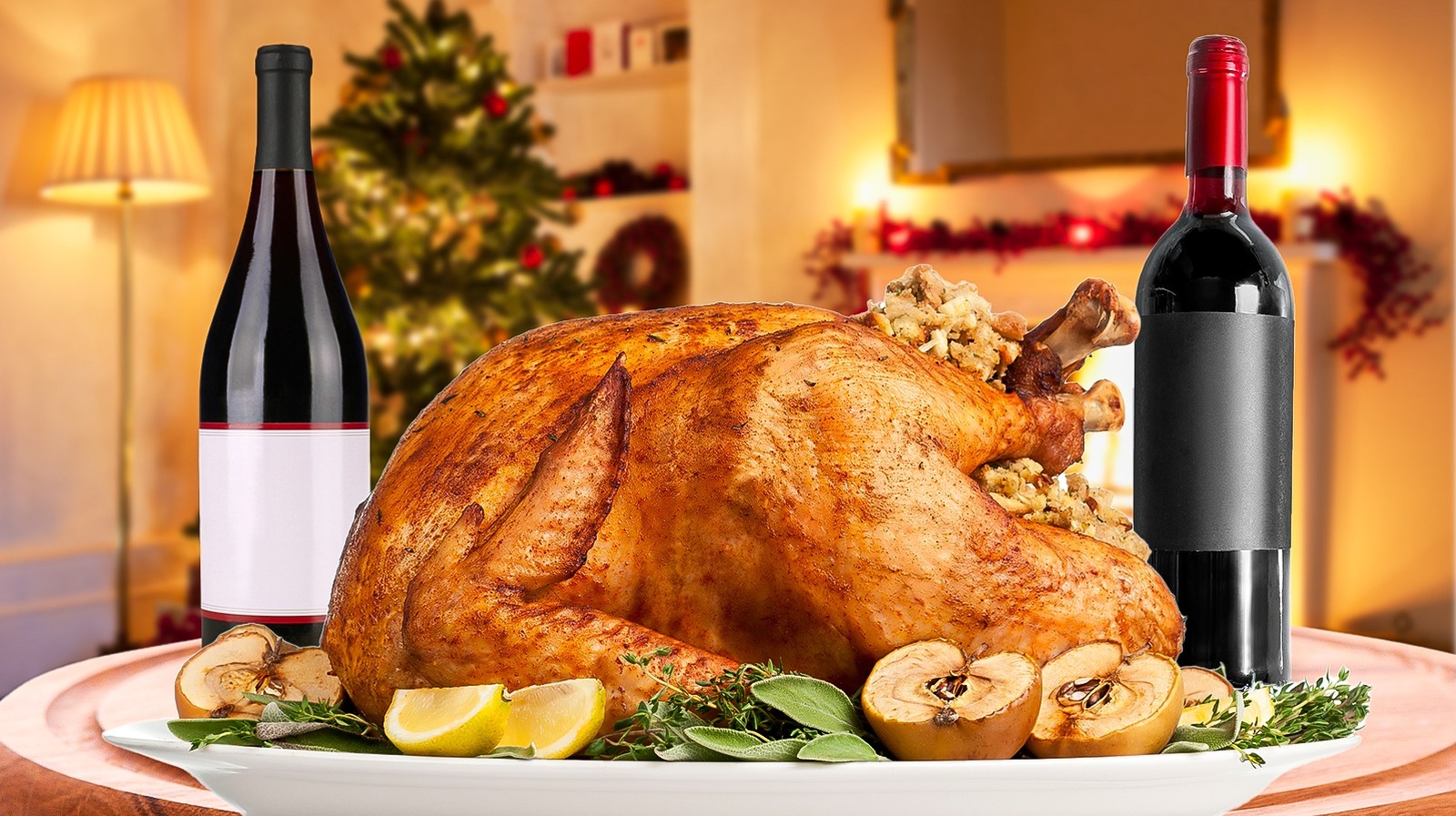
Navigate Holiday Turkey Wine Pairings: Expert Recommendations
The aroma of a perfectly roasted turkey signals the heart of the holiday season, bringing families and friends together for a cherished holiday turkey dinner. While the golden-brown bird often takes center stage, the secret to elevating this festive meal from great to truly unforgettable lies in the accompanying wine. From the rich, savory notes of the turkey to the medley of vibrant side dishes, choosing the right wine can harmonize and enhance every bite. Dating back centuries, roasted turkey has graced tables from Henry VIII's court to modern homes, making it a timeless centerpiece for both Thanksgiving and Christmas feasts. But with so many flavors at play, how do you select a wine that complements rather than competes?
The Art of Pairing: Why Wine Matters for Your Holiday Turkey Dinner
Selecting the ideal wine for your holiday turkey dinner is as crucial as ensuring the turkey itself is cooked to succulent perfection. The goal is not to overpower the delicate and diverse flavors of the holiday spread, but to find a wine that acts as a delightful counterpoint, cleansing the palate and enhancing the overall culinary experience. Virginia wine writer Richard Leahy, a contributor to Wine & Country Life, offers invaluable advice: “Think ABC – Anything But Chardonnay or Cabernet.” This seemingly simple dictum holds profound wisdom for pairing with the traditional holiday fare.
Turkey, often prepared with buttery richness, savory herbs, and accompanied by fatty gravies, stuffings, and casseroles, benefits immensely from wines that offer vibrant fruitiness and good acidity. High-tannin reds (like many Cabernet Sauvignons) can clash with lean turkey meat, often leading to a metallic taste, especially when paired with tart cranberry sauce. Oak-heavy Chardonnays, while delicious in their own right, can overwhelm the subtle nuances of the meal, making everything taste muddled. Instead, look for wines that refresh the palate, cut through richness, and echo the festive spirit with their bright, inviting profiles.
White Wines: Bright & Balanced Choices for Your Feast
When considering white wines for your holiday turkey dinner, the key is to seek out those with excellent acidity and fruit-forward characteristics. These attributes allow them to dance beautifully with the diverse flavors of the holiday table, from the savory turkey to the sweet and tart cranberries, and the earthy stuffing. Here are some expert-recommended white varieties that promise to delight:
- Riesling (Semi-Dry): A superstar for holiday meals, semi-dry Riesling offers a fantastic balance of sweetness and acidity. Its aromatic profile, often featuring notes of green apple, lime, and honey, provides a refreshing contrast to rich gravies and enhances the subtle sweetness of roasted turkey. The slight sweetness also stands up wonderfully to the various side dishes, including sweet potatoes and cranberry sauce.
- Gewürztraminer: For those seeking an aromatic adventure, Gewürztraminer is an excellent choice. Known for its exotic perfume of lychee, rose petals, and ginger spice, it brings a luxurious, full-bodied texture with moderate acidity. This wine is particularly good with heavily seasoned or herb-stuffed turkey, adding an intriguing layer of complexity.
- Pinot Gris/Grigio: A versatile and widely loved option, Pinot Gris (the richer Alsatian style) or Pinot Grigio (the crisper Italian style) both offer bright acidity and clean fruit flavors. Expect notes of pear, green apple, and citrus, making it a refreshing palate cleanser that won't overshadow the meal. It's an ideal choice if you prefer a drier white wine that still offers complexity.
- Viognier: A more full-bodied white, Viognier brings aromatic richness with notes of apricot, peach, and floral undertones, often with a hint of minerality. Its luscious texture and moderate acidity pair beautifully with turkey prepared with buttery or herb-infused seasonings, offering a luxurious mouthfeel without being overly heavy.
- Vermentino: This Mediterranean white grape provides a delightful zest with saline notes, citrus, and a hint of almond. Its crisp acidity and refreshing character cut through richer dishes, making it an excellent partner for a roasted turkey with a variety of herbaceous stuffings.
- Petit Manseng: Hailing from Southwest France, Petit Manseng offers a unique profile of honey, pineapple, and spicy notes, often with a vibrant acidity that lingers. It can range from dry to sweet, but a drier style can provide an intriguing, complex counterpoint to a savory holiday meal.
- Hybrid Varieties (Traminette & Vidal Blanc): Don't overlook excellent hybrid options like Traminette (a Gewürztraminer-like aromatic grape) and Vidal Blanc (crisp, often with notes of grapefruit and honey). These offer unique local flavors and often present fantastic value, perfectly aligning with the "vibrant and acidic" recommendation.
Red Wines: Smooth & Savory Companions
When it comes to red wines for your holiday turkey dinner, the focus shifts to varieties with low to medium tannins. High tannins can be astringent and create an unpleasant sensation when paired with lean poultry and tart accompaniments. Instead, we seek wines with bright fruit, supple textures, and gentle spice notes that embrace the savory elements of the meal.
- Pinot Noir: Often considered the quintessential red wine for turkey, Pinot Noir is a consistent winner. Its bright cherry and cranberry fruit flavors, earthy undertones, and silky tannins complement the turkey beautifully without overwhelming it. Whether from Burgundy, Oregon, or California, a good Pinot Noir is versatile enough for both white and dark meat, as well as many side dishes.
- Gamay (Beaujolais): Light-bodied, fruity, and bursting with red berry flavors (cherry, raspberry) with a hint of floral earthiness, Gamay (especially Beaujolais-Villages or Cru Beaujolais) is another excellent choice. Its vibrant acidity and low tannins make it incredibly food-friendly and a refreshing alternative to heavier reds.
- Merlot: While some Merlots can be full-bodied, many offer softer tannins and plush red fruit flavors (plum, black cherry) with notes of vanilla and cedar. A medium-bodied Merlot, especially one with a touch of earthiness, can be a comforting and harmonious match for roasted turkey and traditional fixings.
- Cabernet Franc: Often an overlooked gem, Cabernet Franc offers lovely red berry fruit, herbaceous notes (bell pepper, tobacco), and moderate tannins. Its savory characteristics pair wonderfully with roasted poultry, especially if sage or rosemary are used in the turkey's preparation.
- Hybrid Varieties (Chambourcin & Norton): For those exploring New World and hybrid wines, Chambourcin provides a medium-bodied red with dark fruit, earthy notes, and soft tannins, making it highly adaptable. Norton, another American hybrid, offers a bolder profile with intense berry fruit and peppery spice, yet maintains a structure that can stand up to richer preparations without being overly tannic.
Beyond the Bird: Considering Your Sides
Remember that a holiday dinner is a symphony of flavors, not just the turkey. The stuffing, mashed potatoes, gravy, green bean casserole, and especially the cranberry sauce all contribute to the overall palate experience. The recommended wines – with their excellent acidity and vibrant fruit – are chosen precisely because they are versatile enough to complement this entire spectrum of tastes, bringing coherence to your festive spread.
Expert Turkey Tips for a Flawless Feast (and Pairing!)
A perfectly cooked turkey not only tastes incredible but also creates an ideal canvas for your chosen wine pairings. The goal is a moist, tender bird with a beautifully golden-brown skin, and it doesn't have to be complicated. Here are some expert tips to ensure your holiday turkey dinner is a resounding success:
- Preparation is Key: Begin with a cleaned and thawed turkey. For maximum flavor and moisture, liberally rub butter over the entire bird, then season generously with salt and pepper.
- The Roasting Bag Method: For a deliciously moist turkey, consider using a large turkey baking bag. Place the buttered and seasoned turkey inside, adding a few cut-up onions for aromatic flavor. In your deep roasting pan, use a rack or a few celery stalks to elevate the turkey off the bottom. This allows for even cooking and helps crisp the bottom skin. Tie off the bag and poke a few holes in it to allow steam to escape and moisture to circulate.
- Flavor Infusion: Pour about one quart of turkey or chicken broth into the bottom of the pan (outside the bag). The small holes in the bag will allow the broth's steam and flavor to seep in, enhancing both moisture and taste.
- Baking Temperature & Time: Set your oven to 300°F (150°C). A general rule of thumb is to bake for approximately one hour per four pounds of turkey. Using a meat thermometer inserted into the thickest part of the thigh (without touching bone) is the best way to ensure it reaches a safe internal temperature of 165°F (74°C). Cooking until just done ensures maximum moisture retention.
- Grilled Turkey Brilliance: If you prefer a grilled turkey, brining is essential. Submerge your turkey in a solution of salt, peppercorn, and bay leaf, or your preferred hearty spices, for several hours or overnight. Before grilling, place butter, fresh sage, and rosemary underneath the skin for incredible flavor and moisture.
- The Importance of Resting: Once your turkey is cooked, whether roasted or grilled, it is absolutely crucial to let it rest. Cover it loosely with foil and allow it to sit for at least 30 minutes (up to an hour for larger birds) before carving. This allows the juices to redistribute throughout the meat, ensuring a tender, moist, and flavorful result. Attempting to carve too early will cause the juices to run out, leaving you with dry turkey.
For a comprehensive guide on various turkey preparations and expert wine selections, explore Elevate Your Holiday Turkey: Recipes, Wine & Expert Cooking Tips.
Conclusion
The holiday turkey dinner is a cherished tradition, and with the right wine pairing, it can become an even more extraordinary culinary event. By choosing vibrant, fruity, and acidic wines with low to medium tannins – embracing the "ABC" philosophy – you ensure that every sip enhances the complex flavors of your festive meal. Whether you opt for a crisp Riesling, an aromatic Gewürztraminer, or a smooth Pinot Noir, these expert recommendations will guide you toward a harmonious and memorable dining experience. So, gather your loved ones, prepare your delicious turkey, and uncork a bottle that truly celebrates the joy and flavors of the season.
