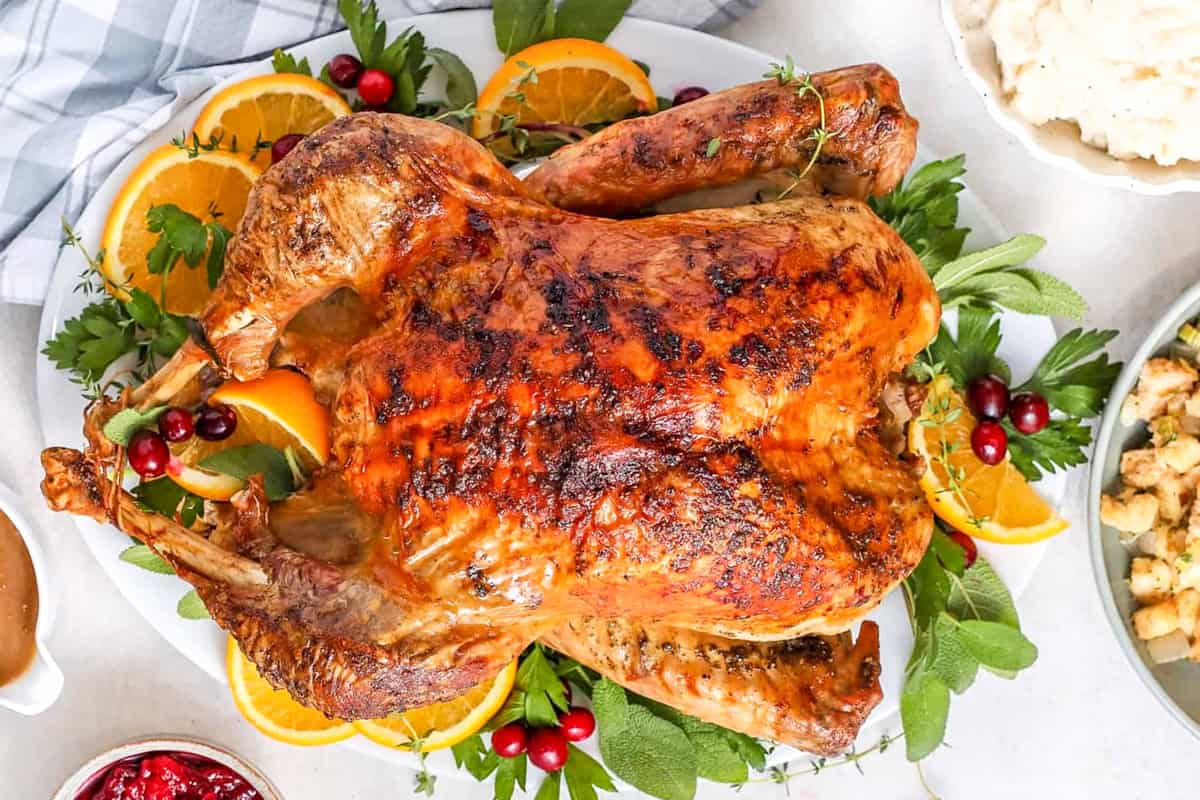
Achieve a Golden, Moist Holiday Turkey with Our Expert Tips
The centerpiece of any festive gathering, the holiday turkey dinner, holds a special place in our hearts and on our tables. Whether it's the traditional Thanksgiving feast or a cherished Christmas celebration, a perfectly roasted turkey is the star of the show. For centuries, since the days of Henry VIII, families on both sides of the Atlantic have gathered to enjoy this majestic bird, and the timeless desire for a golden, moist, and flavorful turkey remains as strong as ever. This year, ditch the dry, overcooked turkey and embrace a new tradition of culinary excellence. We're here to guide you with expert tips and tricks to ensure your holiday turkey dinner is nothing short of spectacular.
The Quest for the Perfect Holiday Turkey
Achieving that picture-perfect, succulent bird doesn't require culinary wizardry; rather, it hinges on understanding a few fundamental principles and mastering some straightforward techniques. From selection to initial preparation, every step contributes to the final masterpiece.
Selecting Your Turkey and Essential Prep
- Thawing Safely: The first crucial step is proper thawing. For every 4-5 pounds of turkey, allow 24 hours of thawing in the refrigerator. Alternatively, for a faster method, submerge the wrapped turkey in cold water, changing the water every 30 minutes, allowing about 30 minutes per pound.
- Choosing the Right Size: A good rule of thumb is to calculate 1 to 1.5 pounds of turkey per person to ensure plenty for both the meal and delicious leftovers.
- Pat It Dry: Once thawed, remove the turkey from its packaging and pat it thoroughly dry with paper towels, both inside and out. This is critical for achieving that coveted crispy skin.
- The Foundation of Flavor: Now for the seasoning. Begin by rubbing the entire exterior of the turkey with softened butter or olive oil. This not only promotes beautiful browning but also helps to crisp the skin. Follow with a generous seasoning of salt and freshly cracked black pepper. Consider adding a blend of herbs like dried sage, thyme, or rosemary to the butter mixture for enhanced aroma and taste.
- Aromatics for the Cavity: Don't forget the inside! Stuffing the turkey's cavity with aromatics like halved onions, garlic cloves, lemon halves, and fresh herb sprigs (rosemary, thyme, sage) will infuse the meat with subtle, delicious flavors from the inside out.
Mastering the Art of Roasting for Unbeatable Moisture
The fear of a dry turkey is real, but with the right approach, you can guarantee a tender, juicy result every time. Our preferred method for maximum moisture is simple yet incredibly effective.
The Turkey Bag Technique: A Moisture Miracle
This technique leverages the power of a roasting bag to create a steamy, self-basting environment that keeps the turkey incredibly moist while still allowing for a golden finish. Here’s how to do it:
- Bag It Up: After prepping your turkey with butter, salt, pepper, and internal aromatics, carefully place it inside a large turkey baking bag. Toss in some roughly chopped onions, celery, and carrots around the bird; these will not only add flavor to the pan drippings but also act as a natural rack.
- Elevate for Evenness: For optimal cooking and crisping on the bottom, place a roasting rack inside your deep roasting pan. If you don't have a rack, a few sturdy celery stalks laid across the bottom of the pan can serve the same purpose, keeping the turkey slightly elevated. Place the bagged turkey on top of this rack or celery bed.
- Let It Breathe (and Soak!): Tie off the turkey bag securely, but then use a small sharp knife or scissors to poke several small holes (about 6-8) in the top of the bag. These vents are crucial; they allow steam to escape gradually, preventing the bag from bursting, and crucially, enable the broth to seep in, enhancing flavor and moisture retention.
- Broth Infusion: Pour about one quart of turkey or chicken broth into the bottom of the roasting pan, outside of the bag. As the turkey bakes, the holes in the bag will allow the flavorful broth to seep through, creating a continuous basting effect and infusing the turkey with deliciousness.
- The Low and Slow Roast: Set your oven to 300°F (150°C). This lower temperature promotes gentle cooking, allowing the turkey to cook through without drying out. A general guideline is one hour of cooking time per four pounds of turkey. However, always rely on an internal meat thermometer inserted into the thickest part of the thigh (without touching bone) to reach a safe and juicy 165°F (74°C). Cooking it slightly longer at this low temperature will indeed enhance both flavor and moisture retention.
Achieving that Coveted Golden-Brown Skin
Even with the turkey bag technique, you can still achieve a beautiful, crispy golden skin. Towards the end of the cooking time, typically the last 30-60 minutes, carefully snip open the turkey bag and pull it back to expose the bird. Increase the oven temperature to 375-400°F (190-200°C) and continue roasting until the skin reaches your desired level of golden crispness. Keep a close eye on it to prevent burning!
Beyond the Oven: Grilling Your Holiday Turkey
For those seeking an alternative and equally delicious cooking method, grilling a holiday turkey offers fantastic flavor and frees up precious oven space. The key to a tender grilled turkey lies in brining and strategic flavoring.
- The Power of Brining: Brining is indispensable for grilled turkey. It infuses the meat with moisture and flavor, making it incredibly tender and forgiving under the grill's intense heat. A simple brine consists of water, salt, a touch of sugar, peppercorns, and bay leaves. You can also add hardy herbs like rosemary and sage. Submerge your turkey completely in the brine and refrigerate for 12-24 hours.
- Compound Butter Under the Skin: After brining and patting the turkey dry, create a flavorful compound butter by mixing softened butter with finely chopped sage, rosemary, and garlic. Carefully separate the skin from the breast meat (without detaching it) and spread this compound butter generously underneath. This not only adds incredible flavor but also helps to keep the breast meat moist and the skin crispy.
- Indirect Grilling: Grill your turkey using indirect heat. On a charcoal grill, arrange coals on one side and place a drip pan under the grate on the other side. On a gas grill, heat burners on one side and turn off those directly beneath the turkey. Maintain a consistent grill temperature of around 325-350°F (160-175°C). The cooking time will vary depending on the turkey's size and grill temperature, but again, rely on a thermometer to reach 165°F in the thigh.
The Grand Finale: Resting and Carving Your Masterpiece
You've roasted (or grilled!) your turkey to perfection. Don't let impatience ruin it! The final steps of resting and carving are just as critical as the cooking itself.
- The Crucial Rest: Once your turkey reaches its ideal internal temperature, remove it from the oven or grill and transfer it to a large cutting board. Tent it loosely with aluminum foil and allow it to rest for at least 30 minutes, and up to an hour for larger birds. This resting period is vital; it allows the juices, which have gathered in the center of the bird during cooking, to redistribute throughout the meat, resulting in an incomparably moist and tender turkey.
- Carving with Confidence: Carving a turkey can seem daunting, but with a sharp carving knife, a sturdy carving fork, and a little technique, you'll create a beautiful platter. For stability and to catch any escaping juices (perfect for gravy!), place a kitchen towel or cloth underneath your cutting board.
- Step-by-Step Carving:
- First, remove the legs and thighs by cutting through the joint where they connect to the body. Separate the drumsticks from the thighs.
- Next, remove the wings.
- Finally, carve the breast meat. Make a horizontal cut above the wing joint to the breast bone. Then, starting from the top of the breast, slice downwards, making even slices against the grain.
Elevating Your Feast: Expert Wine Pairings
A truly memorable holiday turkey dinner isn't complete without the perfect wine pairing. The right wine can complement the rich flavors of the turkey and its accompaniments without overwhelming the palate. As Virginia wine writer and Wine & Country Life contributor Richard Leahy wisely advises, "Think ABC – Anything But Chardonnay or Cabernet." The goal is vibrant, fruity wines with good acidity to cut through the richness of the meal.
For a comprehensive guide to selecting the ideal libation, be sure to Navigate Holiday Turkey Wine Pairings: Expert Recommendations.
Ideal White Wine Pairings:
Look for white varieties that offer brightness and balanced aromatics:
- Riesling (semi-dry): Its crisp acidity and hint of sweetness beautifully balance the savory richness of turkey.
- Gewürztraminer: Known for its aromatic profile of lychee, rose, and spice, it adds an intriguing layer of flavor without overpowering.
- Pinot Gris: A versatile choice, offering crispness and notes of green apple and pear.
- Viognier: For those who prefer a fuller-bodied white, Viognier offers floral notes and a smooth texture.
- Vermentino & Petit Manseng: Excellent European options, offering minerality, freshness, and sometimes a touch of honeyed richness.
- Traminette & Vidal Blanc: Fantastic hybrid choices, often showcasing aromatic floral and fruity notes.
Ideal Red Wine Pairings:
Opt for red wines with low to medium tannins that won't clash with the turkey's delicate flavor:
- Chambourcin & Norton: Excellent native American hybrid grapes, offering fruit-forward profiles with earthy undertones.
- Merlot: A classic choice, providing soft tannins and notes of plum and cherry that complement a wide range of dishes.
- Cabernet Franc: Offers herbaceous notes and a lighter body than Cabernet Sauvignon, making it a wonderful pairing.
- Pinot Noir: Often considered the quintessential turkey wine, with its earthy, cherry, and cranberry notes mirroring the flavors on the plate.
- Gamay: Light, fruity, and vibrant, Gamay (think Beaujolais) is a delightful, easy-drinking option that won't weigh down the meal.
With these expert tips, your holiday turkey dinner is destined for greatness. From the moment you select your bird to the final carving and the perfect wine pairing, you'll be well-equipped to create a feast that delights every palate and leaves a lasting impression. No longer will you dread a dry bird; instead, you'll confidently present a golden, moist, and unforgettable centerpiece. For more in-depth recipes and further cooking insights, be sure to read our article on Elevate Your Holiday Turkey: Recipes, Wine & Expert Cooking Tips.
