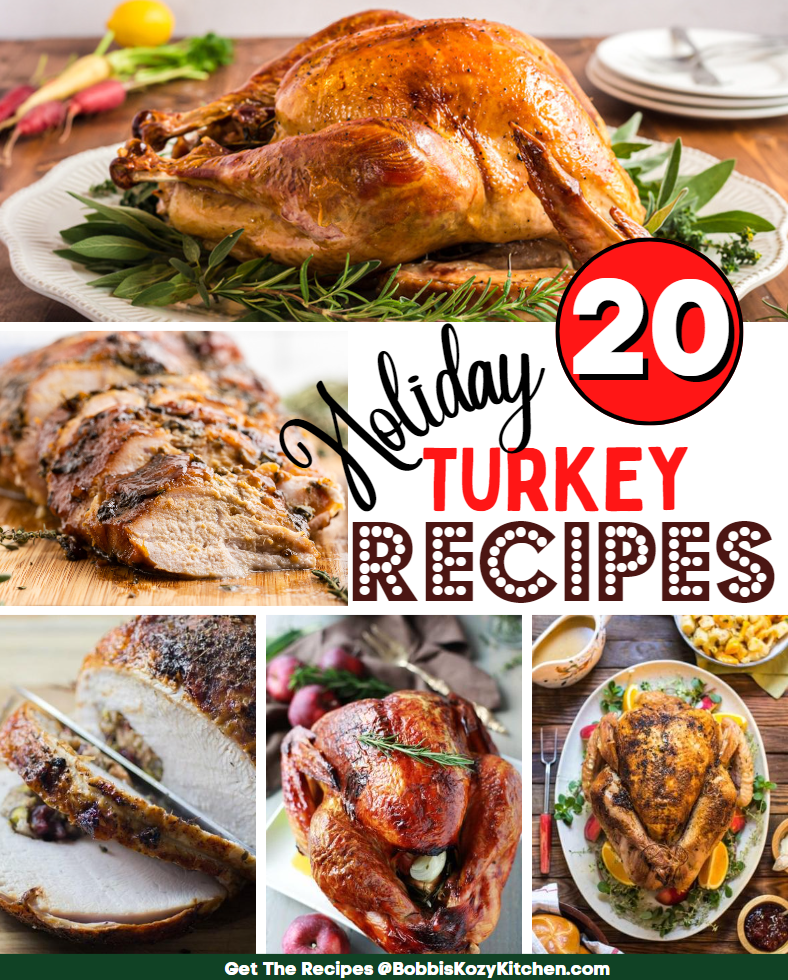
Elevate Your Holiday Turkey: Recipes, Wine & Expert Cooking Tips
The festive season beckons, bringing with it cherished traditions, heartwarming gatherings, and, for many, the grand centerpiece of a delectable **holiday turkey dinner**. While Thanksgiving has undeniably claimed the turkey as its iconic star, its rich history as a festive meal extends back to the reign of Henry VIII, gracing tables during Christmas celebrations for centuries. This year, make your holiday turkey dinner an unforgettable culinary experience, whether it's for a cozy family gathering or a lavish feast. We'll guide you through mastering the art of the turkey, selecting the perfect wine pairings, and offering invaluable tips to ensure your meal is nothing short of spectacular.
Mastering the Moist Holiday Turkey: Expert Cooking Techniques
The fear of a dry, overcooked turkey is a common holiday anxiety, but achieving a beautifully moist and tender bird with a golden-brown skin doesn't have to be complicated. With a few expert techniques and simple ingredients, you can confidently present a turkey that will impress every guest.
Preparation is Key
First, ensure your turkey is completely thawed (allow at least 24 hours per 4-5 pounds in the refrigerator). Before cooking, pat the turkey thoroughly dry with paper towels – this is crucial for crispy skin. Next, generously season your bird. A classic approach involves rubbing softened butter all over the turkey, followed by a liberal application of salt and freshly ground black pepper. For an extra layer of flavor, consider tucking aromatic herbs like fresh sage, rosemary, and thyme, along with some garlic cloves and a quartered onion, into the turkey's cavity.
The Perfect Roasting Method
One highly effective method for a consistently moist turkey involves using a turkey baking bag. After seasoning, place your turkey into the bag. Add some roughly chopped onions and carrots to the bag for added flavor and moisture. In a deep roasting pan, create a natural rack using a few celery stalks or place a metal roasting rack. This elevates the turkey, allowing for even cooking and crisping of the underside. Tie off the turkey bag, leaving some room, and poke several small holes in the top to allow steam to escape and juices to circulate.
Pour approximately one quart of turkey or chicken broth directly into the roasting pan, outside of the bag. As the turkey bakes, the holes in the bag will allow the flavorful broth to seep in, further enhancing moisture and taste. Roast the turkey at a consistent oven temperature of 300°F (150°C), allowing roughly one hour per four pounds. Remember that cooking it slightly longer at a lower temperature often contributes to better flavor development and moisture retention. For a more detailed guide on perfecting your roast, consider our article on
Achieve a Golden, Moist Holiday Turkey with Our Expert Tips.
Beyond the Oven: Grilled & Brined Turkeys
For those seeking an alternative to the traditional roast, grilling offers a fantastic way to impart a smoky, succulent flavor. The key to a moist grilled turkey is brining. A simple brine can be made with water, salt, peppercorns, and bay leaf, or you can customize it with your favorite hearty spices. After brining, pat the turkey dry, and for an aromatic touch, slide a mixture of softened butter, fresh sage, and rosemary underneath the skin before it hits the grill.
Regardless of your cooking method, always use a meat thermometer inserted into the thickest part of the thigh (without touching the bone) to ensure it reaches 165°F (74°C).
The Crucial Resting and Carving
Once your golden-brown masterpiece emerges from the oven or grill, the most critical step is often overlooked: resting. Allow the turkey to rest for at least 30 minutes, or even an hour, tented loosely with foil. This allows the juices to redistribute throughout the meat, ensuring every slice is tender and flavorful. Carving can seem daunting, but with a sharp knife and a steady hand, you can create a plated masterpiece. Start by removing the legs and wings, then slice the breast meat against the grain.
The Perfect Pour: Navigating Holiday Turkey Wine Pairings
Selecting the right wine can elevate your **holiday turkey dinner** from delicious to truly extraordinary. As Virginia wine writer and *Wine & Country Life* contributor Richard Leahy wisely advises, the goal is to complement the cuisine, not overwhelm it. His golden rule for holiday pairings is "ABC – Anything But Chardonnay or Cabernet." This might sound surprising, but the rich, heavy, and often fatty nature of traditional holiday fare, coupled with a variety of side dishes, calls for wines with vibrant fruit and good acidity to cut through the richness and cleanse the palate.
White Wine Wonders for Your Feast
When it comes to white wines, look for varieties that offer bright acidity and aromatic complexity without being too heavy or oaked. Ideal choices include:
- Riesling (semi-dry): Its crisp acidity and hint of sweetness beautifully balance rich dishes.
- Gewürztraminer: Known for its aromatic spice notes and fuller body, it stands up well to robust flavors.
- Pinot Gris (Grigio): Offers bright citrus notes and a refreshing finish.
- Viognier: Aromatic with floral and stone fruit notes, it has a richer texture that pairs well.
- Vermentino: With its saline minerality and bright acidity, it's a refreshing choice.
- Petit Manseng: Offers intense aromatics and a lively acidity, often with a touch of sweetness.
For those exploring hybrid varieties,
Traminette and
Vidal Blanc are excellent choices, offering distinct aromatic profiles and good acidity that harmonizes with turkey and its accompaniments.
Red Wine Riches for Your Table
On the red side, the focus should be on low to medium tannin varieties that won't clash with the turkey's subtle flavors or dry out your palate. Consider these delightful options:
- Pinot Noir: A classic pairing, its earthy notes, bright cherry fruit, and soft tannins are a perfect match.
- Gamay (Beaujolais): Light-bodied, fruity, and incredibly versatile, it's a joyful holiday red.
- Merlot: Softer tannins and plummy fruit can work well, especially for those who prefer a more familiar red.
- Cabernet Franc: Known for its herbaceous notes and bright acidity, it offers a sophisticated pairing.
- Chambourcin: A vibrant hybrid red with good fruit and acidity, often found in regions like Virginia.
- Norton: A bold American grape with unique dark fruit and earthy characteristics, perfect for robust flavors.
These selections will complement the myriad flavors of your **holiday turkey dinner**, from savory gravy to sweet cranberry sauce. For a more in-depth exploration of specific pairings and regional recommendations, be sure to check out
Navigate Holiday Turkey Wine Pairings: Expert Recommendations.
Crafting the Complete Holiday Turkey Dinner Experience
A truly memorable **holiday turkey dinner** extends beyond just the perfect bird and wine; it encompasses the entire dining experience. From the abundance of flavorful side dishes to the warmth of the table setting, every detail contributes to the festive atmosphere.
Beyond the Bird: Sides and Stuffings
While the turkey is the star, the supporting cast of side dishes is equally vital. Traditional favorites like homestyle stuffing (or dressing, depending on your region), creamy mashed potatoes, tangy cranberry sauce, savory gravy, and roasted vegetables create a harmonious ensemble. When planning your menu, consider dishes that can be prepared partly in advance to minimize stress on the big day. A delightful stuffing cooked inside the bird or alongside it can absorb wonderful turkey juices, enhancing its flavor profile.
Planning and Presentation
Consider how much turkey you'll need per person – a good rule of thumb is 1 to 1.5 pounds per guest to ensure plenty of leftovers. Don't forget the presentation! A beautifully set table, complete with seasonal decorations, creates an inviting ambiance that elevates the entire meal. And remember to save that turkey carcass after the feast – it's the foundation for a rich, flavorful turkey stock, perfect for soups and future meals.
Conclusion
The **holiday turkey dinner** is more than just a meal; it's a cherished tradition, a symbol of togetherness, and an opportunity to create lasting memories. By focusing on simple yet effective cooking techniques for a moist turkey, selecting thoughtful wine pairings that enhance every bite, and embracing the joy of a complete festive spread, you can transform your holiday table into a true culinary celebration. So, gather your ingredients, uncork a carefully chosen bottle, and prepare to delight your loved ones with a holiday turkey dinner that truly shines.